

7 Things to Check Before Buying a Rug Online

This is what most buyers overlook when shopping the rugs online
Buying a rug online feels simple.
Pick a colour.
Choose a size.
Click “Buy.”
But for many households, the disappointment doesn’t come at checkout.
It shows up weeks later—after the rug is already part of daily life.
Corners start curling.
The rug slips on hardwood.
Pet accidents leave lingering odors.
Colors fade faster than expected.
These problems are so common that most buyers assume they’re unavoidable.
They’re not.
They’re usually the result of missing a few critical checks before buying.
Below are the 7 things smart buyers now look for before purchasing a rug online—especially for homes with kids, pets, and daily foot traffic.
1️⃣ How Does the Rug Handle Pet Accidents?
Pet accidents are part of real life.
The problem isn’t the accident—it’s what happens after.
Many rugs use synthetic fibers that:
- Absorb moisture deeply
- Trap odors
- Become impossible to fully clean
Even after shampooing or spot cleaning, smells can linger beneath the surface.
What to check instead:
Look for rugs made with fibers that release moisture and odors more easily, rather than locking them in.
If a rug can’t recover from one accident, it won’t survive long-term living.
2️⃣ Will the Corners Stay Flat Over Time?
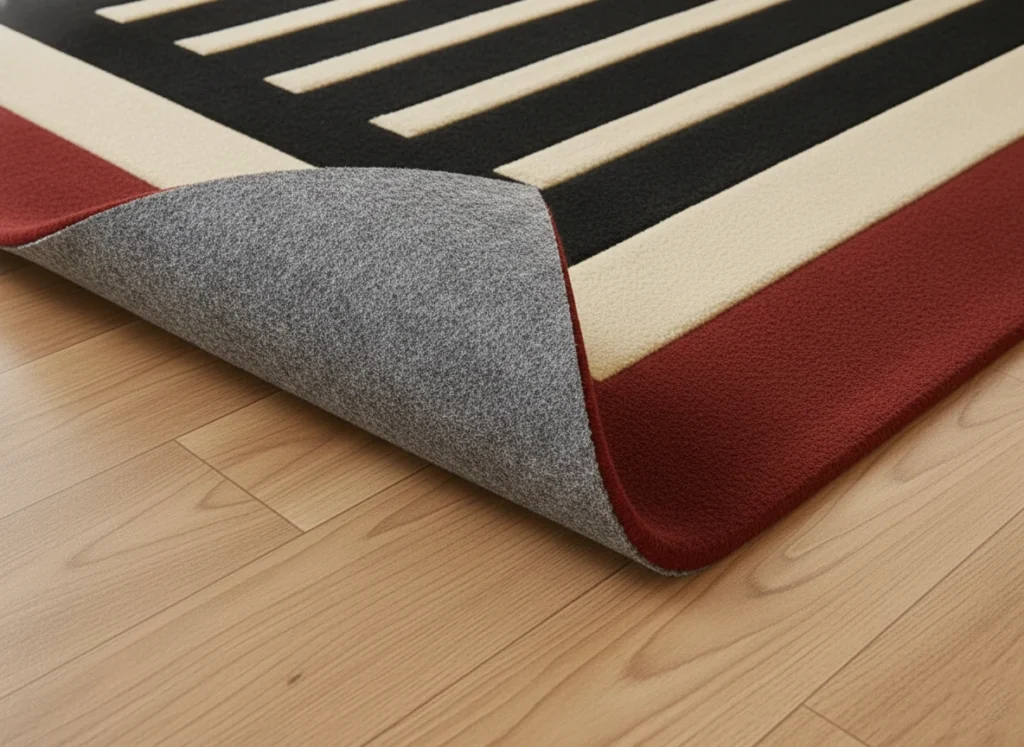
Curling corners don’t usually appear on day one.
They show up after:
- Foot traffic
- Furniture pressure
- Changes in temperature or humidity
This isn’t just cosmetic.
Curling creates:
- Tripping hazards for kids
- Constant adjustment
- A rug that looks worn far too early
What causes it:
Thin construction and weak backing that can’t hold shape.
What to check instead:
Rugs with better structure and balanced weight tend to stay flat without constant fixing.
3️⃣ Does the Rug Slip on Hardwood Floors?
Hardwood floors are common—but many rugs aren’t designed for them.
If a rug shifts every time someone walks across it:
- Kids can slip
- Pets lose traction
- The rug becomes unsafe
Most buyers end up adding rug pads or constantly repositioning.
The real issue:
Weak or smooth backing.
What to check instead:
Backing should be treated as a structural feature, not an afterthought.
A well-made rug should stay put on its own.
4️⃣ Will the Colour Hold Up to Regular Vacuuming?
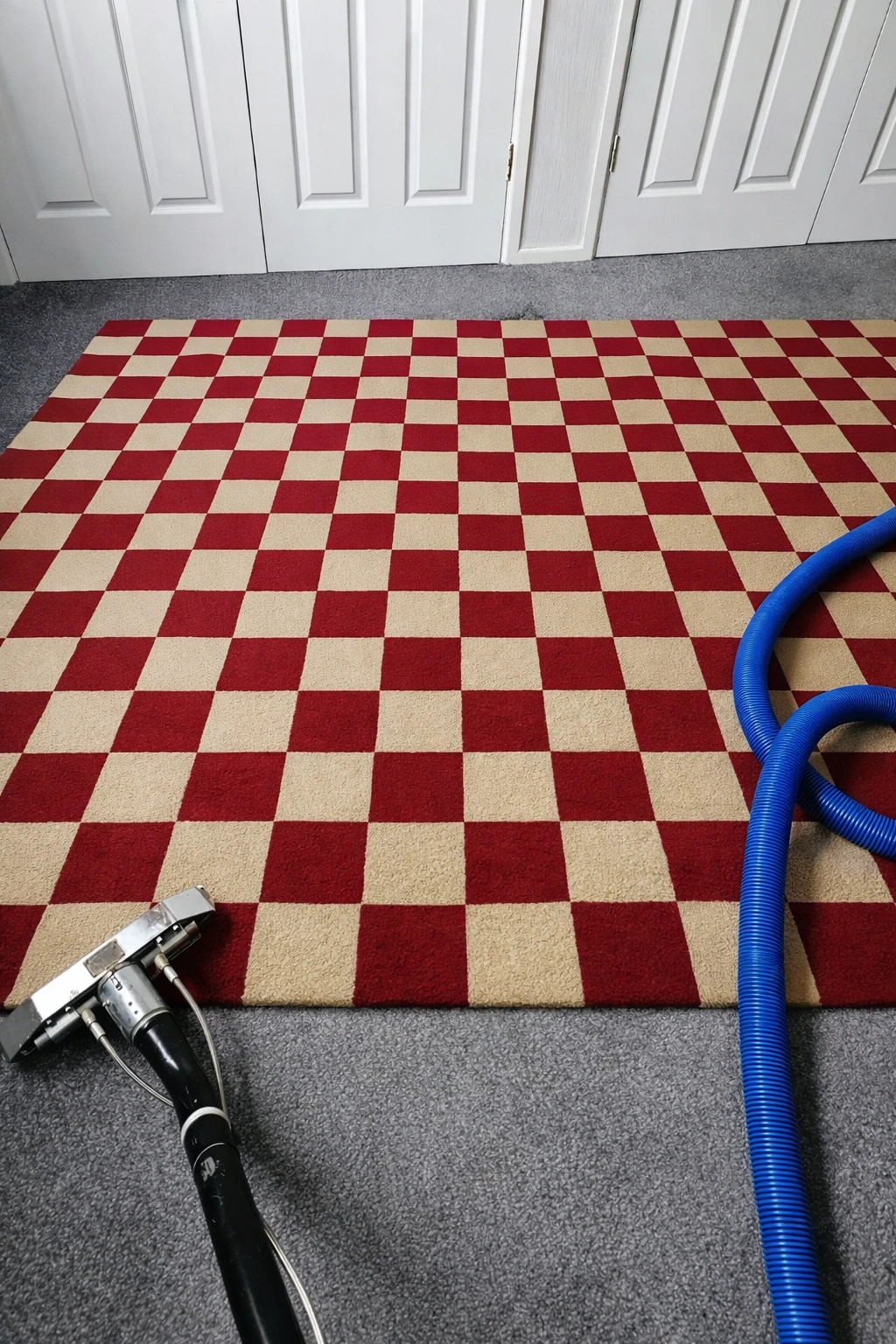
Vacuuming shouldn’t shorten a rug’s lifespan.
Yet many buyers notice fading or dull patches after just a few months of normal cleaning.
This often happens when:
- Dyes aren’t properly set
- Fibers are low quality
- The rug is made for display, not durability
What to check instead:
Rugs designed for daily living should tolerate routine vacuuming without visible wear.
If a rug can’t handle cleaning, it’s not built for real homes.
5️⃣ What Is the Rug Actually Made Of?
Most online listings highlight:
- Style
- Color
- Size
But material is often buried—or oversimplified.
Low-grade synthetics may look good initially, but they tend to:
- Flatten quickly
- Trap dirt and hair
- Wear unevenly
What to check instead:
Higher-quality fibers age better, feel better underfoot, and maintain structure longer.
Material isn’t about luxury—it’s about longevity.
6️⃣ Is the Pile Height Practical for Daily Life?
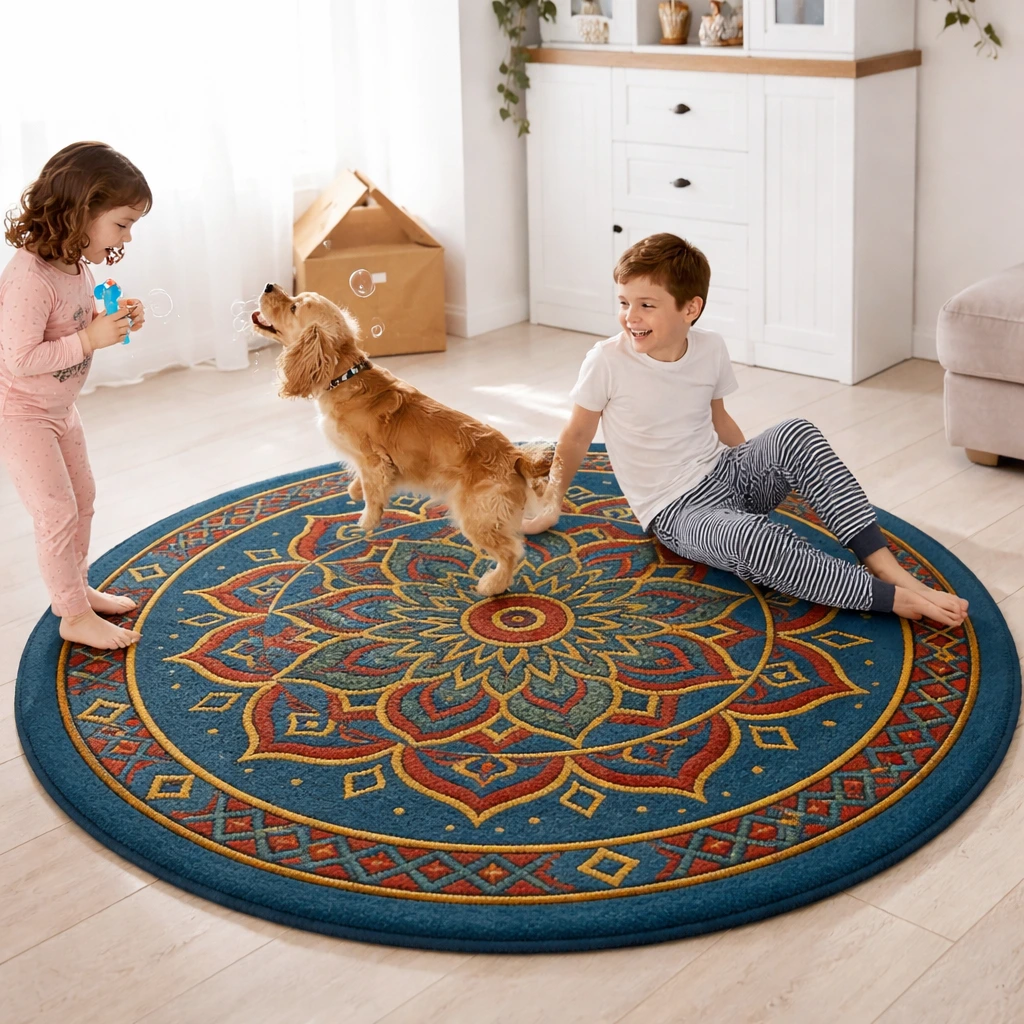
Pile height affects everything.
Too high:
- Traps pet hair
- Holds moisture
- Difficult to clean
Too low:
- Feels rough
- Shows wear quickly
- Less comfortable for floor play
Many rugs choose pile height for visual impact—not real use.
What to check instead:
A balanced pile height that supports comfort, cleaning, and durability.
7️⃣ Is the Rug Designed for Living—or Just for Looks?
This is the question that ties everything together.
Some rugs are designed to:
- Photograph well
- Follow trends
- Sell quickly
Others are designed to:
- Stay flat
- Handle messes
- Be lived on daily
The difference usually becomes clear within the first 90 days.
What We Learned After Testing Rugs in Homes With Kids & Pets
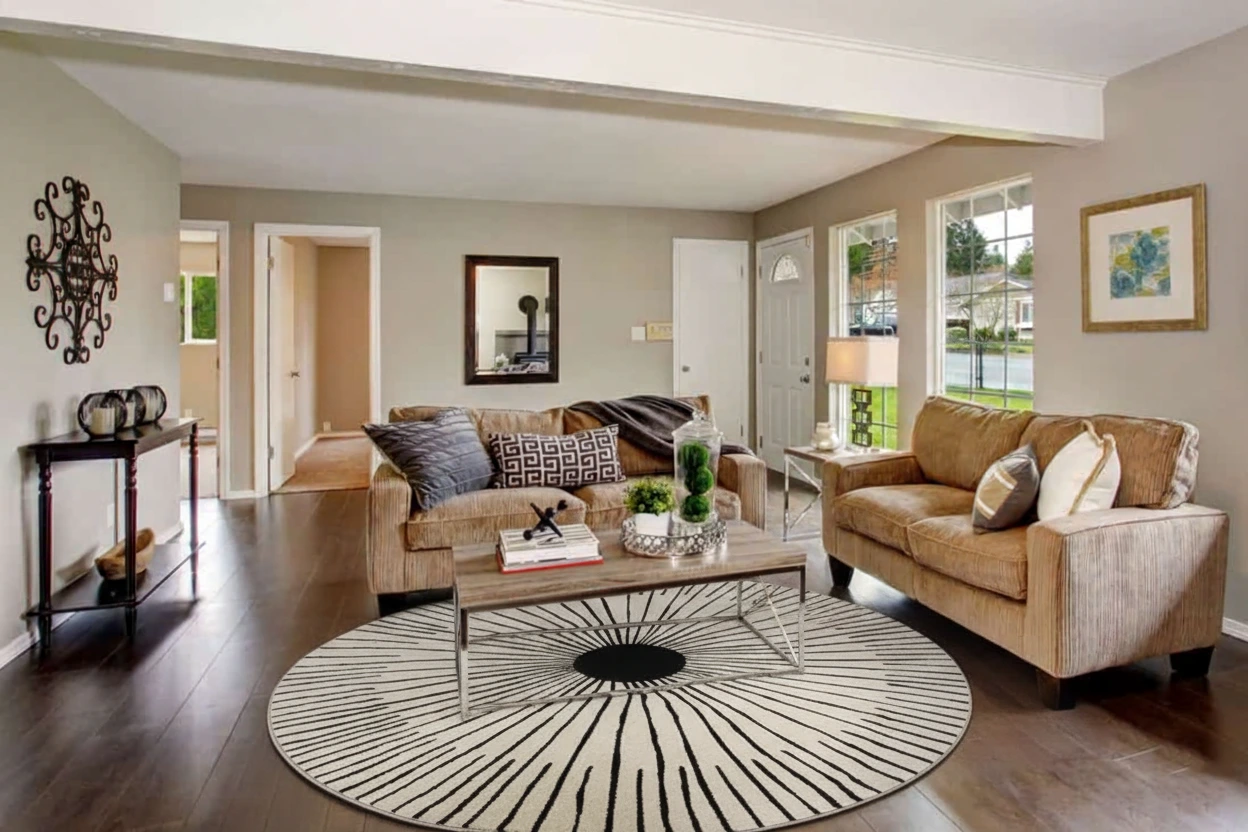
After testing rugs in real households—homes with:
- Kids playing on the floor
- Pets shedding and resting daily
- Hardwood and mixed flooring
One thing stood out:
Most rug problems aren’t user mistakes.
They’re design compromises.
When rugs are built for appearance first, performance suffers.
Designing Rugs for Modern Living
That realization led to a different design approach.
Instead of asking:
“Will this sell fast?”
The question became:
“Will this still work after months of real life?”
That’s when rugs were designed specifically for modern households with kids and pets, under ikrugs.
Not trend-driven.
Not disposable.
Just rugs made to be lived on.
Why Buyers Notice the Difference
Most buyers don’t describe the change as dramatic.
They describe it as relieving.
The rug doesn’t move.
Cleaning feels easier.
The floor becomes usable again.
And the rug simply blends into daily life—without constant attention.
See the Rug That Solved All Four Problems
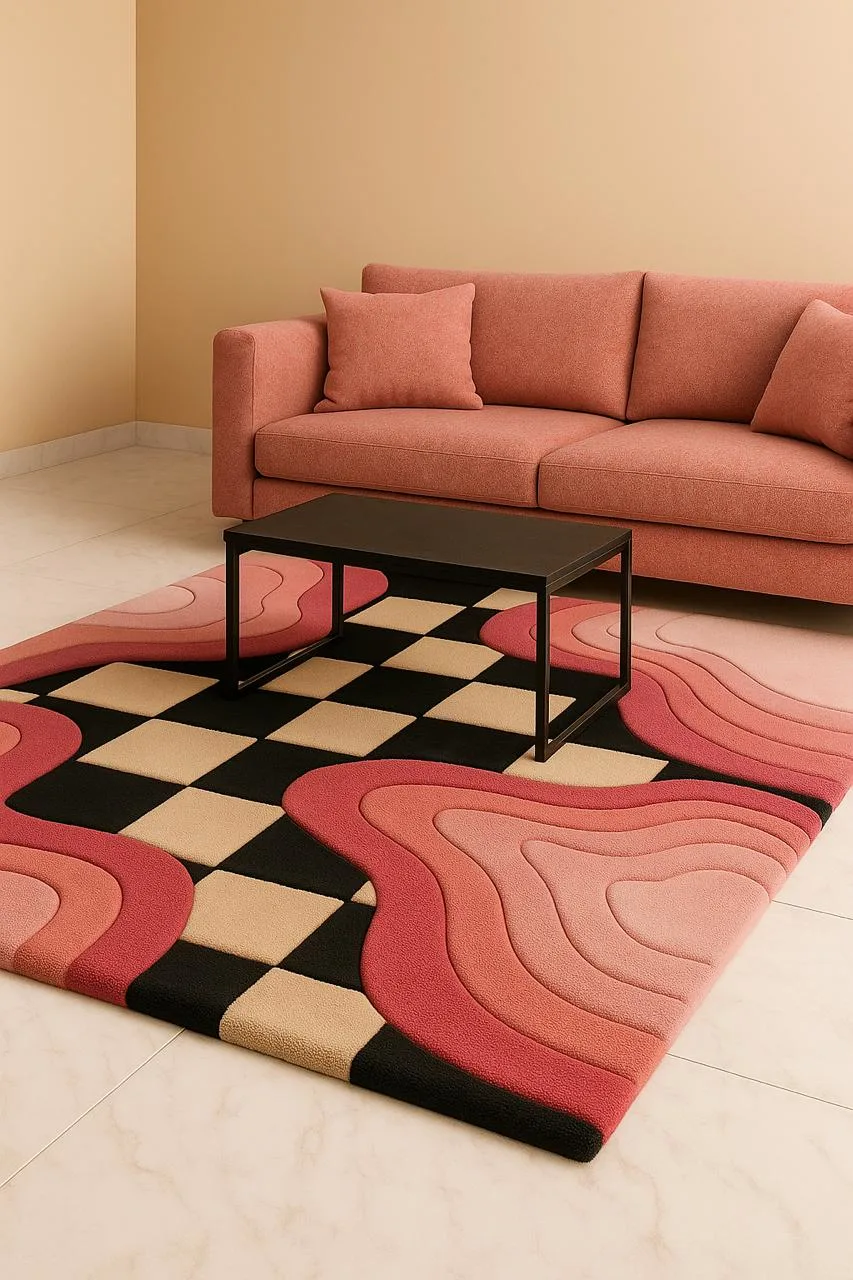
If you’re curious what a rug designed for real homes looks like, you can explore it here.
No pressure.
No hard selling.
Just a closer look